We use cookies to make your experience better. To comply with the new e-Privacy directive, we need to ask for your consent to set the cookies. Learn more.






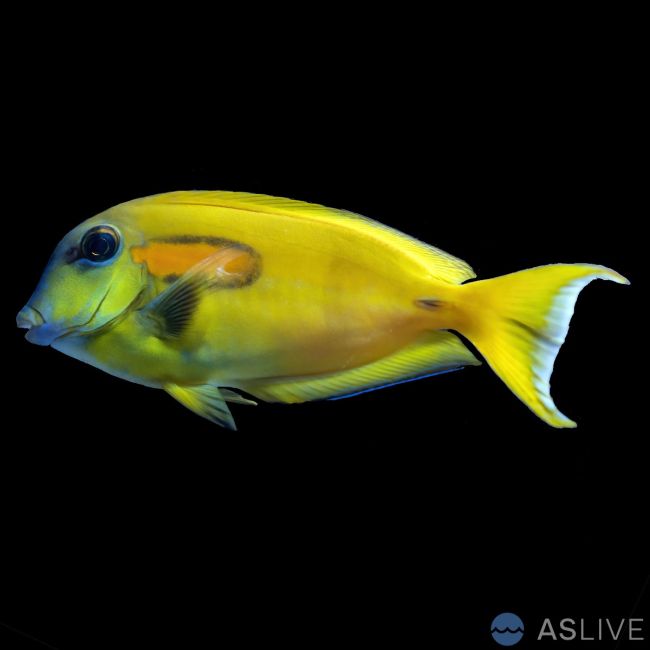
Orange Shoulder Tang, Acanthurus olivaceus
SKU
ASL-OS-TANG
Local Pickup Only
Only %1 left

Livestock Orders Over $300 Qualify for Free Shipping.
If you're an aquarium enthusiast seeking to add a vibrant and unique fish to your collection, the Orange Shoulder Tang (also known as the Orange Spot Tang) is an excellent choice. This beautiful and intriguing fish, scientifically named Acanthurus olivaceus, is a popular addition to saltwater aquariums due to its distinctive appearance and relatively peaceful nature.
Appearance and Identification
The Orange Shoulder Tang is easily recognizable by the striking orange spot or shoulder patch that gives the fish its common name. This vibrant orange spot is located near the pectoral fin, adding a splash of color to the otherwise bluish-gray body. As the fish matures, the body color transitions from a more muted hue in juveniles to a vibrant, deeper shade in adults.
Natural Habitat and Behavior
Native to the coral reefs of the Indo-Pacific region, the Orange Shoulder Tang thrives in warm, tropical waters. They are typically found at depths ranging from 10 to 40 meters, where they graze on algae and other plant materials. In the wild, these fish are known for their peaceful demeanor and tendency to form schools with other tangs and surgeonfish.
Aquarium Care and Requirements
Maintaining a healthy Orange Shoulder Tang in a home aquarium requires attention to several key factors:
Tank Size
Given their active nature and potential size (up to 14 inches in length), a spacious tank is essential. A minimum of 100 gallons is recommended, with larger tanks preferred for optimal health and wellbeing.
Water Conditions
These fish prefer stable, high-quality water conditions. Ideal parameters include:
- Temperature: 72-78°F (22-26°C)
- pH: 8.1-8.4
- Specific Gravity: 1.020-1.025
Regular water changes and efficient filtration are crucial to maintain these conditions.
Diet
The Orange Shoulder Tang is primarily herbivorous, feeding on algae in its natural habitat. In captivity, their diet should be supplemented with a variety of foods, including:
- Marine-based algae and seaweed (nori sheets)
- Spirulina
- High-quality herbivore pellets
Occasional offerings of meaty foods, such as mysis shrimp or brine shrimp, can be provided but should not constitute the main diet.
Compatibility
While generally peaceful, the Orange Shoulder Tang can be territorial, especially in smaller tanks. They can coexist with other fish, particularly if introduced simultaneously and provided with ample space. Avoid housing them with overly aggressive species to reduce stress and potential conflicts.
Health and Disease Prevention
Like all marine fish, the Orange Shoulder Tang is susceptible to common saltwater diseases such as Marine Ich and Velvet Disease. To minimize the risk of illness:
- Quarantine new arrivals before introducing them to the main tank.
- Maintain optimal water quality and stable environmental conditions.
- Provide a balanced diet to support immune health.
Regular observation and prompt action at the first sign of illness can prevent minor issues from escalating.
Breeding and Lifespan
Breeding the Orange Shoulder Tang in captivity is challenging and rarely achieved by hobbyists. In the wild, they spawn in groups, with fertilized eggs hatching into planktonic larvae that eventually settle into the reef environment. With proper care, these fish can live up to 10-15 years in a home aquarium, offering years of enjoyment to dedicated aquarists.
The Orange Shoulder Tang is a beautiful addition to any saltwater aquarium, known for its unique coloration and relatively peaceful nature. By providing adequate space, maintaining pristine water conditions, and offering a balanced diet, hobbyists can enjoy the beauty and charm of Acanthurus olivaceus for many years. Whether you're a seasoned aquarist or a newcomer to the hobby, this remarkable fish is sure to be a highlight in your aquatic collection.
For more tips on caring for marine fish and creating the perfect home aquarium, be sure to explore our other guides and resources. Happy fishkeeping!
| Manufacturer | Aquarium Specialty |
|---|
Write Your Own Review
MANUAL
No
Related Products
Check items to add to the cart or
-

-
 Royal Exclusiv Red Dragon Metal Shaft Pump RotorsStarting at: $288.40
 -
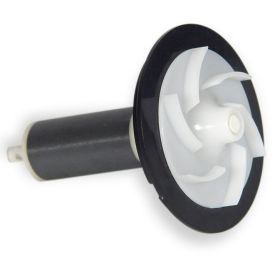 Royal Exclusiv Mini Red Dragon Pump Replacement ImpellerStarting at: $155.99
 -
-